Is fox eye surgery safe? Risks and who should avoid it
Fox eye surgery changes eyelid support. Here are its risks, and the eye conditions that make it unsuitable.

Op. Dr. Kerim ÜnalPublished , updated
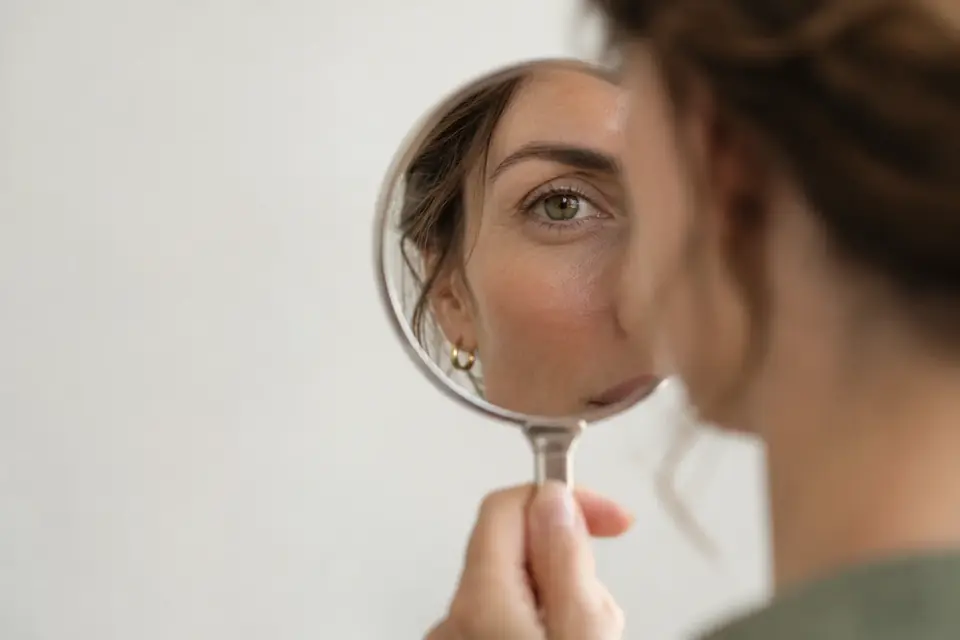
Because fox eye surgery changes the outer corner of the eye, it carries risks to eye comfort as well as appearance. This article explains them clearly.
Key points
- The outer corner of the eye keeps the lower lid against the eyeball; changing it carries real risk.
- Dry eye, prominent eyes and lax lower lids make the surgery unsuitable.
- Modest goals are markedly safer than dramatic ones.
How the outer eye corner works
The outer corner of the eye is held to the bone by a small tendon, the lateral canthal tendon. It keeps the lower eyelid snug against the eyeball so that tears spread evenly and the surface stays protected. Fox eye surgery changes the tissue around this point, and sometimes the tendon's attachment itself. Small errors here affect comfort and eye health as well as appearance.
Common effects after surgery
Most people experience some of the following, which settle over days to weeks:
- swelling and bruising around the eyes and temples
- a tight or pulled feeling at the outer corners
- watery or dry, gritty eyes
- numbness of the temple and scalp near the incision
- an over-lifted look at first, which relaxes as swelling goes
Lubricating drops and ointment are prescribed, and sleeping with the head raised helps.
Less common complications
More serious problems are uncommon but need to be understood before you decide:
- Asymmetry between the two eyes. Faces are never perfectly symmetrical, and small differences can remain.
- Eyelid malposition. The lower lid may sit too low or pull away from the eye, or the corner may look rounded. This can need further surgery.
- Persistent dry eye or irritation, particularly in people who had dry eyes beforehand.
- Difficulty closing the eyes fully in the early period.
- Visible or widened scars, or hair thinning at the temple incision.
- Bleeding or infection.
- Dissatisfaction with the shape. The change is hard to reverse.
Who should avoid it
The operation is not suitable for everyone. A careful surgeon will advise against it, or modify the plan, if you have:
- dry eye disease or previous laser eye surgery with ongoing dryness
- prominent eyes or weak lower eyelid support
- thyroid eye disease or other eyelid conditions
- unrealistic expectations of a strong, lifted slant
- uncontrolled blood pressure, bleeding disorders or continued smoking
If you wear contact lenses or have had eyelid surgery before, say so at consultation.
Choosing a moderate change
Safety improves when the aim is modest. A temporal lift that raises the tail of the brow, with support of the outer corner only where it is needed, changes the expression without placing the eyelid under strain. Aggressive repositioning of the corner gives a more dramatic look and a higher chance of problems.
Ask the surgeon to show, on your own photographs, what degree of change they consider safe for your eyes, and what they would decline to do.
Full details of techniques and recovery are on the fox eyes page. Suitability can only be judged individually; a free video consultation is the place to start.
Frequently asked questions
What can go wrong with fox eye surgery?
Asymmetry, a lower eyelid that sits too low or pulls away from the eye, lasting dry eye, visible scars or hair thinning at the temple, and dissatisfaction with a shape that is hard to reverse.
Is fox eye surgery painful?
Discomfort is usually mild to moderate: tightness at the temples and outer corners and gritty, watery eyes for the first days. Simple pain relief and lubricating drops are normally enough.
Who should not have it?
People with dry eye disease, prominent eyes, weak lower lid support, thyroid eye disease or unrealistic expectations, and anyone deciding quickly or under pressure from someone else.