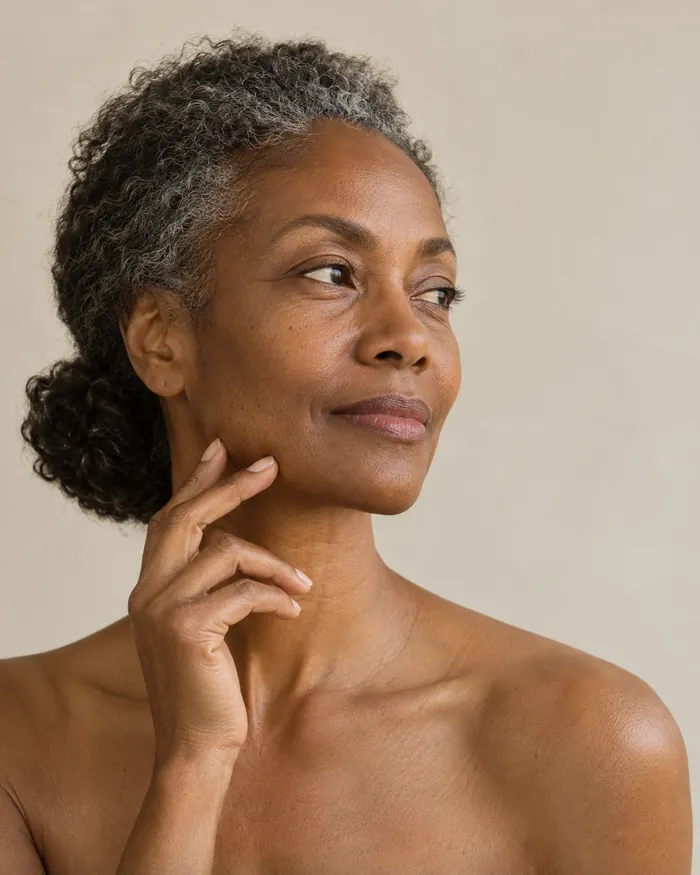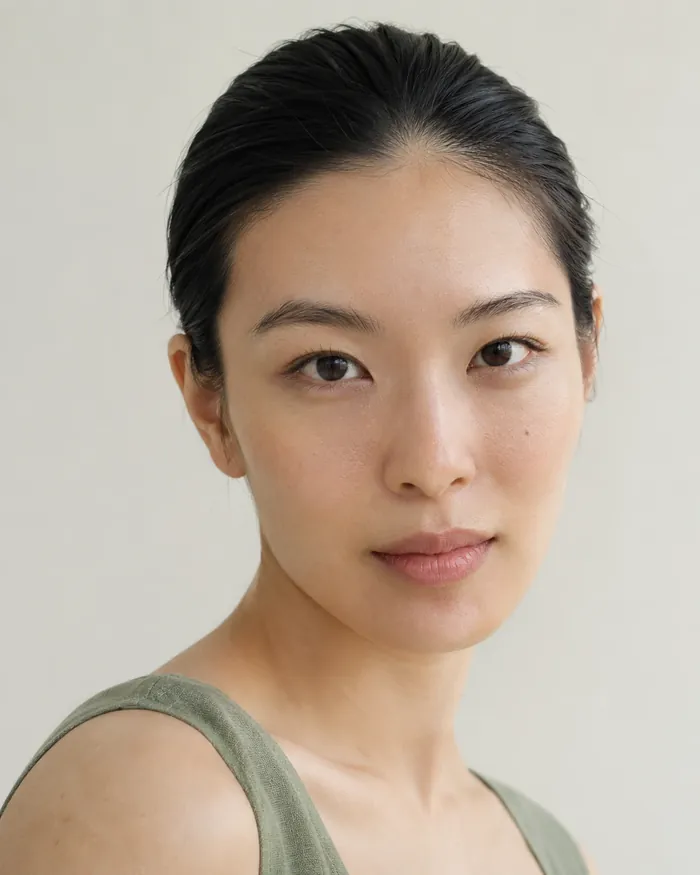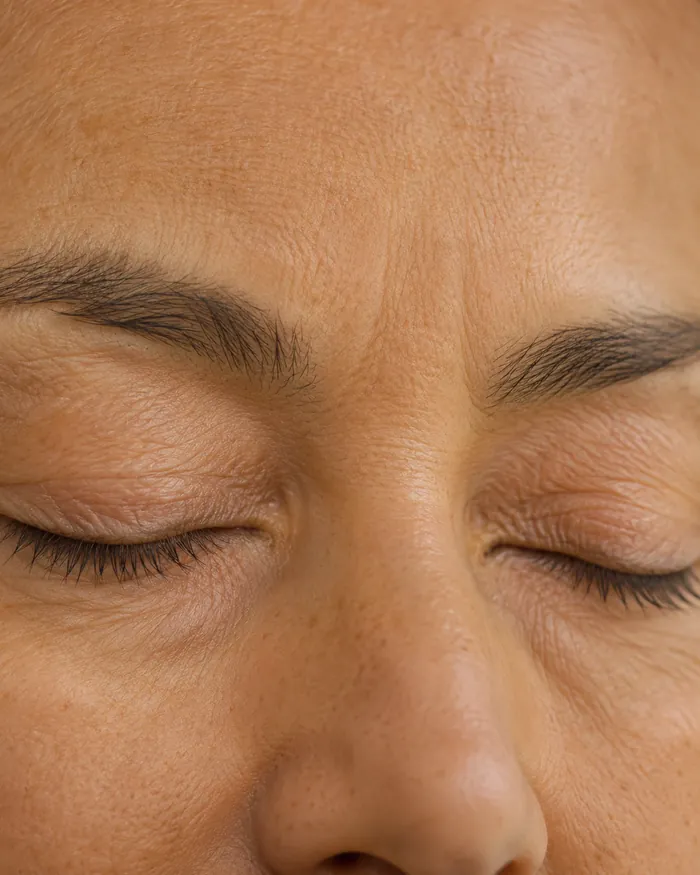
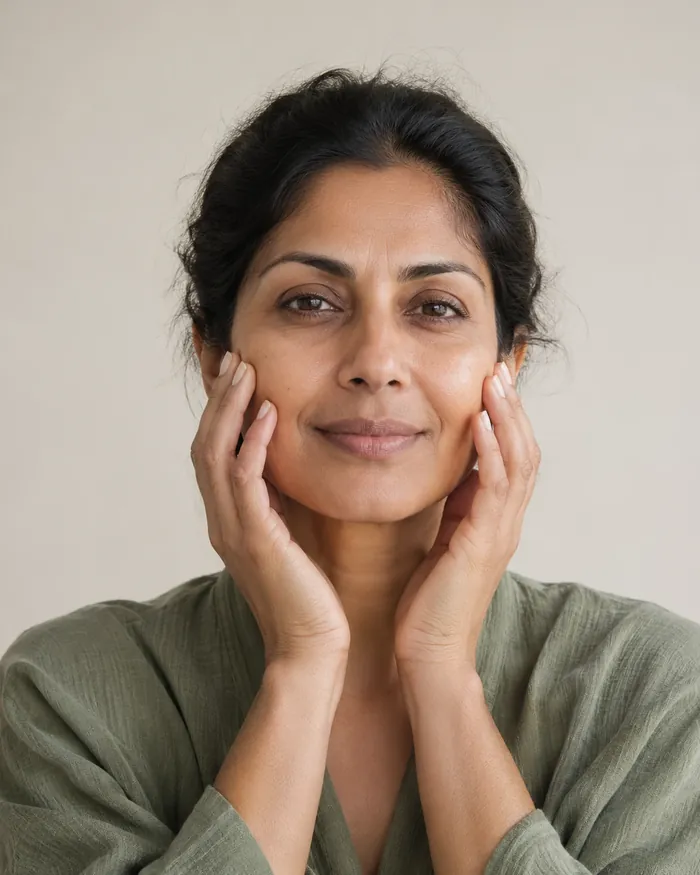
What a cheek lift changes
As the cheek fat pads descend, the area under the eyes looks hollow, a groove appears between the lower lid and the cheek, and the folds beside the nose deepen. A cheek lift, also called a midface lift, moves this tissue back up.
Here you can read who a cheek lift suits, the approaches used, your stay in Istanbul and recovery, the risks, and what the cost in Turkey usually includes.
The midface lies between the lower eyelid and the corner of the mouth. In a cheek lift the surgeon releases the cheek tissues from the bone beneath and lifts them vertically, then fixes them in place.
Because the lift is vertical rather than towards the ear, it can restore fullness high on the cheek and shorten the visible lower eyelid. It is often combined with lower eyelid surgery or a temporal lift.
A cheek lift does not tighten the jawline or the neck; these are treated with a facelift or neck lift.
Who cheek lift suits
Often a good fit
- Flattened or descended cheeks
- A visible groove between the lower eyelid and the cheek
- Deepening folds beside the nose caused by cheek descent
- Good general health and realistic expectations
Usually not the right choice
- Jowls and neck laxity as the main concern
- Very lax lower eyelids that have not been assessed first
- Dry eye disease that is not under control
- People who cannot stop nicotine
Cheek lift approaches
The approach depends on your lower eyelid support and whether other procedures are combined.
- Through the lower eyelid
- Access through an incision just below the lashes or inside the eyelid, often combined with lower blepharoplasty.
- Through the temple
- An endoscopic approach through small incisions in the temporal hairline, leaving no scar on the face. Often combined with a temporal lift.
- Combined with a facelift
- The midface is lifted as part of a deep plane facelift when the lower face also needs treatment.
- Supporting the lower eyelid
- The outer corner of the eyelid may be supported (canthopexy) to protect its position during healing.
Your cheek lift in Istanbul, step by step
- 1
Before you travel
Photos, your eye health history and a video consultation. Tell the surgeon about dry eyes or contact lens use.
- 2
Arrival and checks
Examination of the eyelids and cheeks, blood tests and anaesthetic assessment.
- 3
Surgery day
The operation is done in hospital. Cold compresses are started straight away to limit swelling.
- 4
First day
You may go to the hotel the same day or after one night, depending on the plan.
- 5
Recovery checks in Istanbul
Stitches are removed after about 5 to 7 days and the eyelids and cheeks are checked.
- 6
Follow-up from home
Photo and video follow-up at agreed points.
Preparing for cheek lift
- Stop nicotine in every form four weeks before and after surgery.
- Tell the team about dry eyes, previous eyelid or laser eye surgery, and contact lens use. These affect how the lower eyelid is supported.
- Share details of any fillers in the cheeks or under the eyes: which product and when. Old filler changes how the area swells and is assessed.
- Send your list of medicines and supplements for review.
- Bring glasses if you wear contact lenses, and large sunglasses for the first weeks.
Cheek lift recovery timeline
Days 1 to 3
Swelling of the cheeks and lower lids is at its peak. Keep your head raised and use cold compresses.
First week
Bruising fades. Eye drops keep the eyes comfortable. Stitches come out.
Weeks 2 to 3
Most people return to desk work. The cheeks can still look full and high.
Weeks 4 to 6
Return to exercise as advised. The cheek position looks more natural as swelling settles.
Months 3 to 6
Final shape and smooth transition from lid to cheek.
Cheek lift results: what to expect
The mid-face stays swollen longer than other areas of the face. Expect to look presentable at two to three weeks, to see the shape clearly at about three months, and for the last firmness to go by six months.
A cheek lift restores fullness over the cheekbone, softens the fold beside the nose and shortens a lower eyelid that has lengthened. It does not treat jowls, the jawline or the neck, and it does not add volume beyond your own tissue unless fat grafting is included. The cheek continues to age, and the duration of the result varies between people.
Risks and safety
Dr Ünal discusses these risks in relation to your eyelid support and general health.
Common and expected
- Swelling of the cheeks and lower eyelids, which can last several weeks
- Bruising
- Temporary numbness of the cheeks or upper lip
Less common
- Pulling down of the lower eyelid or a change in its shape
- Dry or irritated eyes
- Asymmetry or a feeling of tightness when smiling
- Temporary weakness of facial muscles
- Infection, bleeding and the general risks of anaesthesia
How to lower the risk
- Stop nicotine for at least 4 weeks before and after surgery
- Stop blood-thinning medicines and supplements as instructed
- Tell the surgeon about every medical condition and medicine
- Stay in Istanbul until the surgeon confirms you are fit to fly
When to contact the team straight away
Most recoveries are uneventful. Contact us at once, and seek local emergency care if it is urgent, if you notice any of these.
- Severe pain in or behind the eye, or any loss of vision (seek emergency care)
- A lower eyelid that pulls away from the eye or will not close
- Increasing redness, discharge or fever
- Sudden swelling on one side of the face
- Calf pain, chest pain or shortness of breath
Alternatives to cheek lift
Surgery is one option among several. These are the alternatives most often considered, and when each is enough.
- Cheek fillers
- Replace volume for a year or so. They are a good choice when volume loss, not descent, is the main change, and should be used with restraint.
- Fat grafting
- Uses your own fat to restore volume with one treatment, alone or with surgery. Not all transferred fat survives.
- Facelift
- The better operation when the jawline and neck have also changed, since a cheek lift does not reach those areas.
Cheek lift cost in Turkey: what the price includes
The cost depends on the approach and whether eyelid surgery or a temporal lift is done at the same time.
Comparing prices between clinics is only meaningful when the packages include the same things. Ask every clinic which of the items below are included.
Usually included
- Surgeon's fee and anaesthesia
- Hospital stay and operating theatre
- Pre-operative blood tests and anaesthetic assessment
- Medicines for the first days after surgery
- Hotel nights as set out in your plan
- Airport, hotel and hospital transfers
- Check-ups in Istanbul and remote follow-up
Not included
- Flights and travel insurance
- Extra nights you choose to add
- Additional procedures not in your plan
Prices are confirmed individually after the consultation, in writing. How pricing works
Cheek lift abroad: travelling to Istanbul
Plan to stay in Istanbul for about 7 to 10 days after a cheek lift. From most European cities, including London and Dublin, the flight home takes two to four and a half hours; from the Gulf around four to five; from North America around ten or more; and from Australia usually more than twenty with a connection. Longer journeys need extra care to prevent blood clots: move regularly, drink water and wear compression stockings if advised.
Before you leave, you receive a written summary of your operation that you can give to your own doctor, and you keep a direct line to the team for questions once you are home.
Plan your cheek lift tripTravel, hotel and aftercare in detail
Cheek lift before and after
Photographs of Dr Ünal’s patients who had this operation are shown during your consultation, with their consent. About before-and-after photos
Cheek lift questions
Is a cheek lift the same as cheek fillers?
No. Fillers add volume temporarily; a cheek lift moves your own tissue back to its earlier position surgically. Some patients have both, at different times.
Can a cheek lift be combined with eyelid surgery?
Yes. The two are often done together because they treat the same area from different directions.
Will there be visible scars?
Depending on the approach, scars are inside the eyelid, just below the lashes or hidden in the temporal hairline.
How long should I stay in Istanbul?
Usually around 7 to 10 days, so stitches can be removed and healing checked before you fly.
What anaesthetic is used for a cheek lift?
A cheek lift is performed under general anaesthesia or sedation with an anaesthetist, in hospital. It usually takes one and a half to three hours depending on what is combined with it.
How long does swelling last after a cheek lift?
Most visible swelling settles within two to three weeks. The cheeks can stay slightly firm and numb for a few months, which other people do not usually notice.
Who is the best candidate for a cheek lift?
Someone whose cheeks have flattened and descended, with a deeper fold beside the nose or a longer lower eyelid, but whose jawline and neck are still in good shape.
Does a cheek lift change my smile?
The smile can feel stiff while the cheeks are swollen. This settles as swelling goes. Lasting change to the smile is uncommon; the risks specific to your anatomy are discussed at consultation.
Sources and independent guidance
Independent patient information worth reading before you decide, at home or abroad.