What rhinoplasty can change
Rhinoplasty, often called a nose job, changes the shape of the nose: a hump on the bridge, a wide or drooping tip, a crooked nose or a nose that is out of proportion. When breathing is also a problem, the inside of the nose can be corrected in the same operation.
Dr Ünal has trained in preservation (pushdown) rhinoplasty as well as structural techniques. This page explains who rhinoplasty suits, the options, your stay in Istanbul and recovery, the risks, and what the cost in Turkey usually includes.
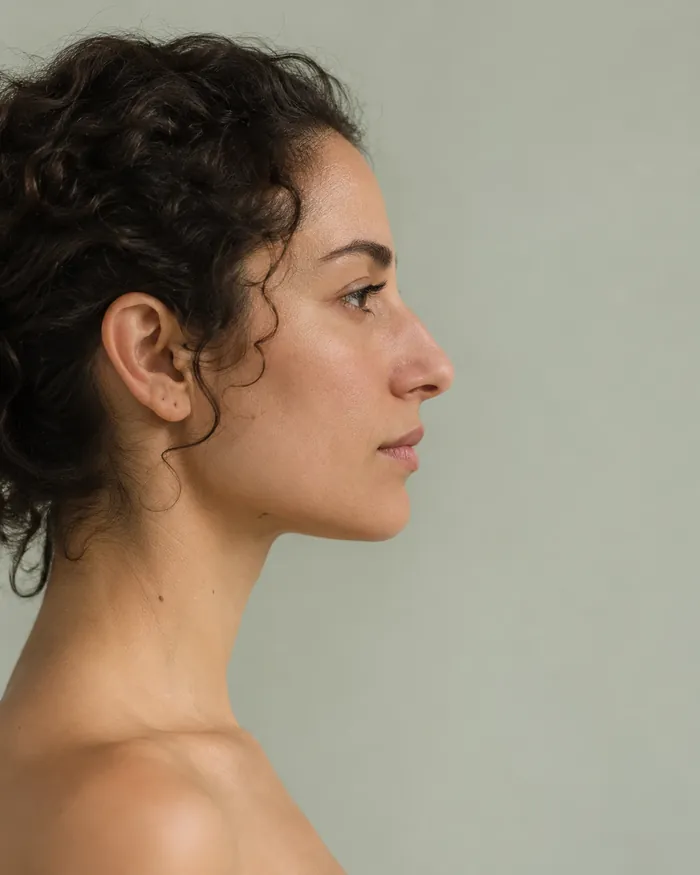
Rhinoplasty can reduce or smooth the bridge, refine and support the tip, narrow the base or the nostrils, straighten a crooked nose and change the angle between the nose and the upper lip.
Inside the nose, a deviated septum or enlarged turbinates can be corrected to improve airflow (septorhinoplasty). Planning starts with how you breathe as well as how the nose looks.
The goal is a nose in harmony with your face and ethnicity, not a standard shape. Your consultation includes a discussion of photos and, where useful, simulations of realistic changes.
Who rhinoplasty suits
Often a good fit
- A hump on the bridge, a wide or drooping tip, or a crooked nose
- Breathing difficulty caused by the septum or nasal structure
- A previous rhinoplasty that needs correction (revision)
- Adults whose facial growth is complete, in good general health
Usually not the right choice
- Teenagers whose nose is still growing
- Expectations of a specific celebrity nose that does not suit your face
- Concern about appearance that feels overwhelming or distressing, which is best discussed with a specialist first
- People who cannot stop nicotine
Rhinoplasty techniques
The technique is chosen for your nose and goals, and often combines several of the following.
- Preservation (pushdown) rhinoplasty
- The bridge is lowered while keeping its natural surface, rather than removing and rebuilding it. Suits many patients with a hump and a straight profile.
- Structural rhinoplasty
- Cartilage is reshaped and supported with grafts, often from the septum, for stronger changes or tip support.
- Open or closed approach
- The open approach uses a small incision across the skin between the nostrils; the closed approach uses incisions only inside the nose.
- Revision rhinoplasty
- Correction after previous surgery. It is more complex and may need cartilage from the ear or rib.
Your rhinoplasty in Istanbul, step by step
- 1
Before you travel
Photos from the front, sides and below, your breathing history and a video consultation about the shape you want.
- 2
Arrival and checks
Examination of the nose inside and out, blood tests and anaesthetic assessment. The plan is confirmed.
- 3
Surgery day
The operation is done under general anaesthesia. A splint is placed on the nose; soft internal splints may be used.
- 4
First night in hospital
Nurses monitor you overnight. Swelling around the eyes is normal.
- 5
Recovery checks in Istanbul
The splint and stitches are usually removed after about 7 days.
- 6
Follow-up from home
Photo and video follow-up, usually at about 1, 3, 6 and 12 months.
Preparing for rhinoplasty
- Stop nicotine four weeks before and after surgery.
- Describe any breathing problems, allergies, nasal sprays you use and previous injuries or operations on the nose.
- If you have had nose surgery before, send the operation report if you can obtain it.
- Send your list of medicines and supplements for review.
- Bring front-fastening tops, lip balm and glasses that can be taped to the forehead if you cannot manage without them.
Rhinoplasty recovery timeline
Days 1 to 3
Blocked nose and swelling around the eyes. Sleep with your head raised; breathe through your mouth.
Days 7 to 10
Splint removal. The nose looks swollen and the tip feels firm.
Weeks 2 to 3
Return to desk work. Most bruising has gone.
Weeks 4 to 6
Avoid resting glasses on the bridge and contact sports. Return to exercise as advised.
Months 3 to 6
Most swelling settles, mornings may still be more swollen.
12 months and beyond
Tip swelling settles last, especially with thick skin or revision surgery.
Rhinoplasty results: what to expect
When the splint comes off at about a week, the nose is swollen and looks wider and more turned up than it will be. Most swelling goes within three months. The tip refines last: up to a year, and longer with thick skin or after revision surgery.
Rhinoplasty changes the size, bridge, tip and symmetry of the nose within the limits of your own bone, cartilage and skin, and can improve breathing at the same time. It cannot produce a nose copied exactly from a photograph, and small asymmetries are normal. The change is permanent, although the nose continues to age. A small proportion of patients need a revision.
Risks and safety
Rhinoplasty is one of the more demanding operations in plastic surgery. Dr Ünal discusses its risks openly.
Common and expected
- Swelling and bruising around the nose and eyes
- Blocked nose for the first weeks
- Numbness of the tip and upper teeth for a time
Less common
- Breathing that is not as clear as expected
- Asymmetry or a shape that differs from what was planned
- Need for a revision operation
- Prolonged swelling, especially of the tip
- Nosebleeds, a hole in the septum, or thickened scars
- Infection and the general risks of anaesthesia
How to lower the risk
- Stop nicotine for at least 4 weeks before and after surgery
- Avoid blood-thinning medicines and supplements as instructed
- Protect the nose from knocks and do not blow it until advised
- Be patient with swelling before judging the result
When to contact the team straight away
Most recoveries are uneventful. Contact us at once, and seek local emergency care if it is urgent, if you notice any of these.
- Heavy bleeding that does not stop with gentle pressure and rest
- Increasing pain, fever or spreading redness
- A sudden change in the shape of the nose, especially after a knock
- Severe headache or clear watery discharge from the nose
- Calf pain, chest pain or shortness of breath
Alternatives to rhinoplasty
Surgery is one option among several. These are the alternatives most often considered, and when each is enough.
- Filler ("liquid") rhinoplasty
- Can disguise a small hump or lift the tip for a year or so. It cannot make a nose smaller and carries a small risk of blocking a blood vessel.
- Septoplasty alone
- Corrects a deviated septum to improve breathing without changing the outside of the nose.
- No change
- If the concern is small, living with it for a while before deciding is a reasonable choice.
Rhinoplasty cost in Turkey: what the price includes
The cost depends on the complexity, whether the septum is corrected and whether it is a first or revision operation.
Comparing prices between clinics is only meaningful when the packages include the same things. Ask every clinic which of the items below are included.
Usually included
- Surgeon's fee and anaesthesia
- Hospital stay and operating theatre
- Pre-operative blood tests and anaesthetic assessment
- Medicines for the first days after surgery
- Hotel nights as set out in your plan
- Airport, hotel and hospital transfers
- Check-ups in Istanbul and remote follow-up
Not included
- Flights and travel insurance
- Extra nights you choose to add
- Additional procedures not in your plan
Prices are confirmed individually after the consultation, in writing. How pricing works
Rhinoplasty cost in Istanbul compared with the United Kingdom and the United States
| Where | Typical price | What the figure covers |
|---|---|---|
| Blanc Surgery, Istanbul | Individual written quote after your free consultationPackage price; see what is included above | Package price; see what is included above |
| United Kingdom | £4,000 to £7,000Private clinic prices, before consultations and follow-up Source: NHS | Private clinic prices, before consultations and follow-up |
| United States | $7,637Average surgeon's fee only; anaesthesia and facility costs are extra Source: American Society of Plastic Surgeons | Average surgeon's fee only; anaesthesia and facility costs are extra |
Figures for other countries are guide prices published by the sources named, checked in November 2026. They are not quotes and do not cover the same items, so compare any two quotes line by line.
Rhinoplasty abroad: travelling to Istanbul
Plan to stay in Istanbul for about 7 to 10 days after rhinoplasty. From most European cities, including London and Dublin, the flight home takes two to four and a half hours; from the Gulf around four to five; from North America around ten or more; and from Australia usually more than twenty with a connection. Longer journeys need extra care to prevent blood clots: move regularly, drink water and wear compression stockings if advised.
Before you leave, you receive a written summary of your operation that you can give to your own doctor, and you keep a direct line to the team for questions once you are home.
Plan your rhinoplasty tripTravel, hotel and aftercare in detail
Rhinoplasty before and after
Photographs of Dr Ünal’s patients who had this operation are shown during your consultation, with their consent. About before-and-after photos
Rhinoplasty questions
How long until I see the final result?
Most swelling settles over 3 to 6 months, but the tip can take 12 months or longer, especially with thicker skin or revision surgery.
Can rhinoplasty improve my breathing?
Yes, when breathing problems are caused by the septum or nasal structure. This is assessed before surgery and corrected in the same operation.
What is preservation or pushdown rhinoplasty?
A technique that lowers the bridge while keeping its natural surface, instead of removing and rebuilding it. It is not suitable for every nose; Dr Ünal will explain whether it suits yours.
How long should I stay in Istanbul?
Usually around 7 to 10 days, until the splint is removed and the surgeon has checked you.
Do you perform revision rhinoplasty?
Yes. Revision cases need careful assessment, often with a longer consultation and sometimes cartilage from the ear or rib.
Is rhinoplasty painful?
Most patients report a blocked, pressured feeling, like a heavy cold, more than pain. Bruising around the eyes peaks on the second or third day.
What anaesthetic is used, and how long does it take?
Rhinoplasty is performed under general anaesthesia and usually takes two to three hours. Revision operations take longer.
Open or closed rhinoplasty: which is better?
Neither is better in every case. The open approach gives a full view for complex work and leaves a small scar under the nose; the closed approach has no external scar. The choice follows the changes your nose needs.
What is the minimum age for rhinoplasty?
The nose should have finished growing, which is usually in the late teens. The operation is offered to adults who have considered the decision carefully.
Sources and independent guidance
Independent patient information worth reading before you decide, at home or abroad.