
Fox eye surgery vs thread lift: what lasts?
Thread lifts promise fox eyes without surgery. Here is how they compare with a surgical approach in effect, longevity and risk.

Op. Dr. Kerim ÜnalPublished , updated
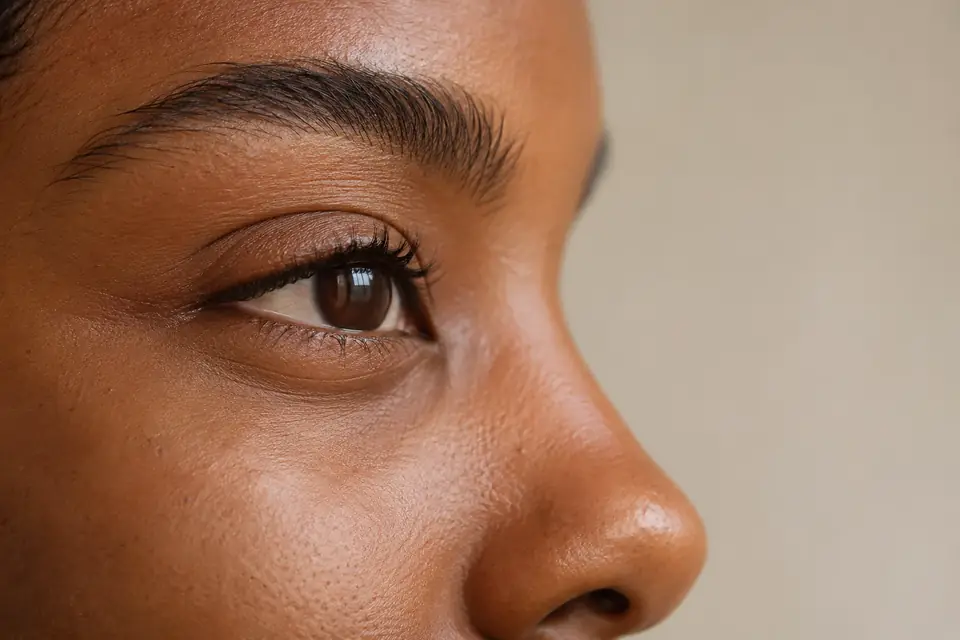
The fox eye look is widely advertised, often with threads. This article compares thread lifts with surgical fox eye procedures so you can make an informed choice.
Key points
- Threads lift until they dissolve; the effect usually fades within a year.
- Surgery lasts far longer and is difficult to undo.
- A moderate change that suits your face is safer than copying a photograph.
What the fox eye look is
"Fox eyes" describes an eye shape in which the outer corner sits slightly higher than the inner corner and the tail of the brow sweeps upwards. Make-up and photo filters made it popular; surgery and threads are ways of creating a version of it that lasts beyond the evening.
It is a style choice, not a correction of ageing, and that matters when weighing the risks.
How thread lifts work
Dissolvable threads with small barbs or cones are passed under the skin of the temple through needle punctures and tightened, pulling the outer brow upwards. The treatment is done under local anaesthetic in under an hour.
The lift lasts while the threads hold. As they dissolve over the following months the tissue returns towards its original position; for many people the visible effect fades within a year, sometimes much sooner. Known problems include puckering or dimpling of the skin, threads that can be felt or seen, asymmetry, infection and, occasionally, thread migration.
Surgical fox eye techniques
Surgery uses one or both of two steps:
- Temporal lift. Through an incision hidden in the hair, the tail of the brow and the outer eye area are lifted and fixed to deep tissue.
- Lateral canthal surgery. The outer corner of the eyelid is supported or repositioned (canthopexy or canthoplasty) to change its angle.
Because tissue is released and heals in the new position, the change lasts far longer than threads. It also involves anaesthesia, scars within the hairline and a stay of around 7 to 10 days in Istanbul.
Longevity and risks compared
| Thread lift | Surgery | |
|---|---|---|
| Recovery | A few days | Two to three weeks of swelling |
| How long it lasts | Months | Years; varies between people |
| Reversibility | Fades on its own | Largely permanent |
| Main risks | Dimpling, visible threads, asymmetry, infection | Bleeding, numbness, hair thinning at the scar, asymmetry, eyelid malposition, dry eye |
"Permanent" cuts both ways. If you later dislike the look, or fashion moves on, a surgical change is difficult to undo.
Who should avoid either
Think carefully, and expect a surgeon to say no, if:
- you have dry eyes, prominent eyes or lax lower eyelids
- you want a dramatic slant; strong changes look unnatural and raise the risk of eyelid problems
- you are choosing because of a trend and have not lived with the idea for long
- you are under pressure from someone else
A moderate lift of the outer brow that suits your face is a safer goal than copying a photograph.
The fox eyes page sets out the surgical options and risks. You can talk through whether any of them suit you in a free video consultation.
Frequently asked questions
How long does a fox eye thread lift last?
The visible effect often fades within six to twelve months, and sometimes sooner, as the threads dissolve and the tissue relaxes.
Can threads cause problems?
Yes. Dimpling or puckering, threads that can be felt or seen, asymmetry and infection are all reported. Most settle or can be treated, occasionally by removing the thread.
Can I have surgery after a thread lift?
Yes, though scar tissue around old threads can make the dissection less straightforward. Tell the surgeon which threads you had and when.