
Rhinoplasty swelling timeline: when will my nose look final?
Why the tip takes the longest to settle, and what to expect at one week, three months and one year.

Op. Dr. Kerim ÜnalPublished , updated
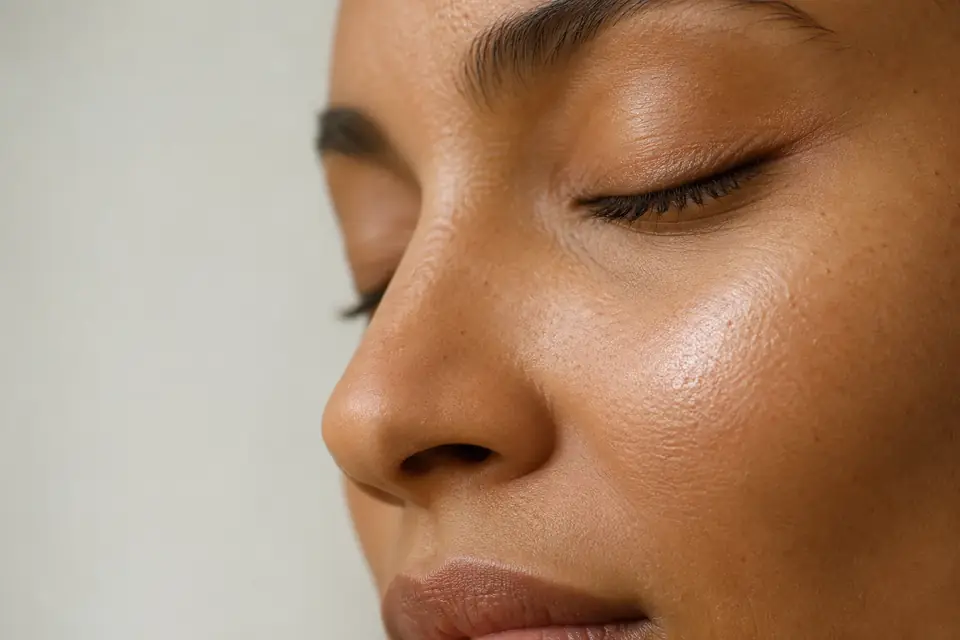
Swelling after rhinoplasty is normal and lasts longer than many people expect, especially at the tip. This timeline shows how it usually develops.
Key points
- The nose at splint removal is swollen; it is not the result.
- Most swelling has gone by three months.
- The tip refines for up to a year, longer with thick skin.
The first week
You leave theatre with a small splint on the bridge of the nose and, in some cases, soft silicone splints inside. The nose feels blocked, much like a heavy cold. Bruising and swelling around the eyes peak on the second and third days and then begin to fade.
Sleep with your head raised, use saline spray as instructed and do not blow your nose. The splint comes off at about one week. The nose you see at that moment is swollen and usually looks wider and more turned up than it will be; it is not the result.
Weeks 2 to 6
Most bruising has gone by two weeks and many people return to work and social life. To others the nose looks acceptable; to you it may still look puffy, particularly first thing in the morning and after salty food, alcohol or a hot shower.
Breathing improves as the inside heals. Avoid glasses resting on the bridge, contact sports and anything that risks a knock until cleared. Gentle exercise usually restarts at three to four weeks.
Months 3 to 6
By three months the larger part of the swelling has gone and the bridge and profile are close to their final shape. The nose starts to feel softer and more like your own. Photographs taken monthly in the same light are the most reliable way to see progress that is too gradual to notice day to day.
Small asymmetries at this stage often reflect uneven swelling and are simply watched.
The tip
The tip is the last area to settle. Its skin is thicker, it drains more slowly, and it often stays firm and slightly numb for months. Definition continues to improve up to a year after surgery, and for up to 18 months or longer in thick skin and after revision operations. For this reason surgeons will not usually consider a revision before about twelve months have passed.
Factors that affect swelling
- Skin thickness. Thick or oily skin holds swelling longer.
- Technique. Open surgery tends to produce more tip swelling than closed surgery.
- Extent of work. Larger changes and grafts mean more swelling.
- Revision surgery. Scarred tissue swells for longer.
- Lifestyle. Salt, alcohol, heat, sun and smoking all prolong it.
Your surgeon may recommend taping or other measures at night for some weeks. Do not massage or press on the nose unless you have been shown how.
Contact the team if you have heavy bleeding, increasing pain, fever, spreading redness or a sudden change in shape after a knock.
The rhinoplasty page gives the full recovery timeline, and follow-up after you return home is described in the patient journey.
Frequently asked questions
Why does my nose look bigger after rhinoplasty?
Swelling of the skin and soft tissue makes the nose look wider and the tip rounder for the first weeks. This settles gradually as fluid drains.
Why is swelling worse in the morning?
Fluid collects when you lie flat. Sleeping with your head raised helps, and morning puffiness becomes less noticeable over the first months.
When can I wear glasses?
Glasses should not rest on the bridge for about four to six weeks, or as advised. They can be taped to the forehead or supported on the cheeks in the meantime.